

Sacking without consequences, now in the past? [Bonus Article]

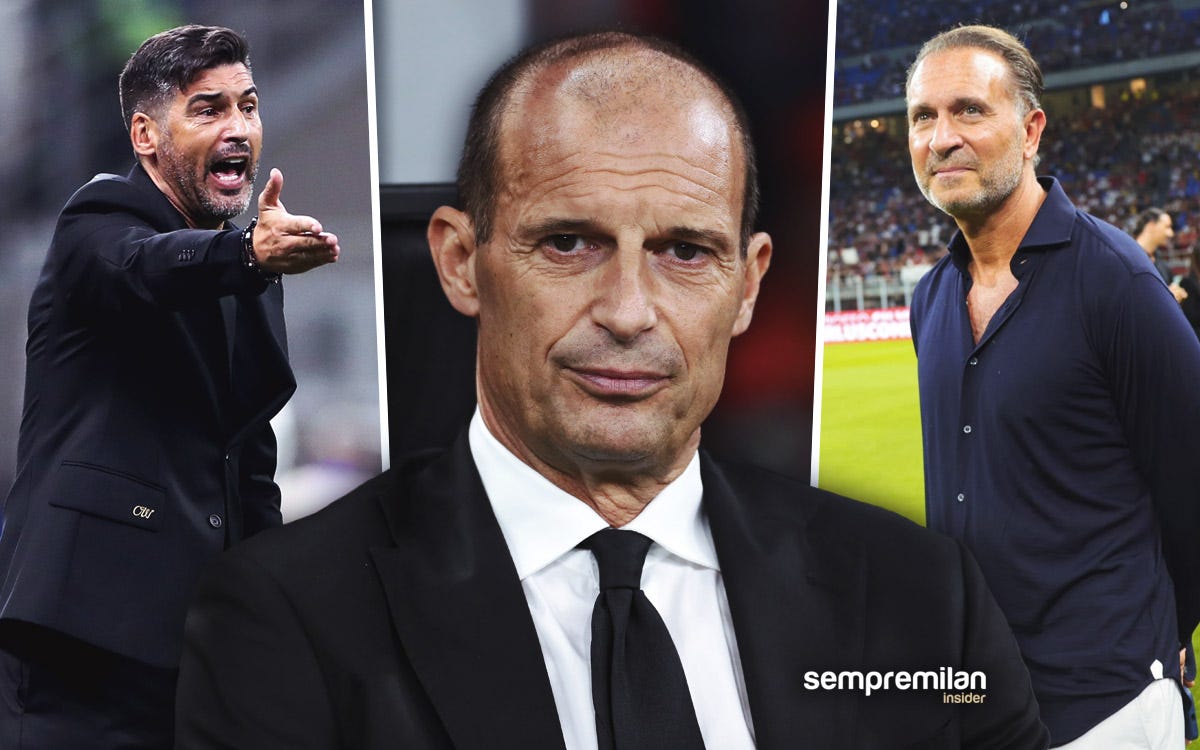
Given the plethora of rumours in recent weeks, I think we have all had quite a bit of time to think about the future of Massimiliano Allegri. Should Milan sack him and start again? Or would it be better to build on this season? Questions like these got me thinking about the managerial changes in recent years, and particularly the financial effects of them.
When talking about the financial effects of sacking a manager, it’s probably fair to say that Chelsea are a prime example. As you can probably tell from the state of that club, I don’t mean in a good way. Maybe it’s just the fact that I’m Swedish and thus have heard a lot about that story, but I think Graham Potter’s exit from the club says a lot (and subsequently makes a good point).
The Blues secured his services from Brighton ahead of the 2022-23 season, paying a whopping £16m as a transfer fee of sorts and an additional £6m for his staff (!). You would imagine with such a massive upfront fee that the salary would be a bit more modest, but it really wasn’t at around £10m per year. Talk about believing in a manager and making him the focal point of the project.
However, just seven months later, he was sacked. Chelsea agreed to pay his salary for an additional 18 months, amounting to £15m or so, and replaced him with the club legend Frank Lampard as the interim manager. Let’s just stop and think about that for a second. £15m (!) for a person who isn’t contributing anything to the project, not even acting as a squad player or anything of that kind.
This issue is nothing new though, even if highlighted in Chelsea’s situation, as Milan have also had their fair share of managerial dilemmas in the past. To name one example, Marco Giampaolo remained on the payroll until the following season when he was sacked. But what about the most recent managers? And what about Allegri? Here is where I think it gets interesting.
Short version
In recent years, Milan have been rather fortunate from a financial point of view when parting ways with their managers. Stefano Pioli only ended up costing them €1.54m gross after he was sacked, Paulo Fonseca only cost €385k gross, and Sergio Conceicao didn’t cost anything as his six-month contract expired.
Allegri, on the other hand, differs a lot from the situations above. His current contract (until 2027), which is worth €5m net per year, will be automatically extended to 2028 in the event of Champions League qualification. His salary will also increase to €6m if that happens.
As such, in addition to making it a rather long contract, Milan also committed to a high salary when they secured Allegri’s return last summer. Finding an agreement on a potential severance package after just one year would likely be very hard, even if the manager has some suitors lurking (which would help).
Getting off cheap
Let’s go through this chronologically, starting with Stefano Pioli. After five years at the club, and one Scudetto won, he said goodbye at the end of the 2023-24 season. It was a rather emotional goodbye despite finishing 19 points behind the champions Inter, with most fans coming to the conclusion that he definitely did more good than harm during his time as the boss.
It wasn’t a fully natural departure, though, in the sense that he still had one year left on his contract. While there were no real reports on this at the time, Milan most likely attempted to agree on a severance payment with the manager (voiding the rest of his salary) but were ultimately unable to. In this specific case, however, that was probably a good thing.
